
Mold exposure triggers allergic reactions, including sneezing, runny nose, red eyes, and skin rash, according to the EPA, with Stachybotrys chartarum (black mold) posing added respiratory risks in water-damaged homes. We identify and remove hidden mold at its source, protecting Northwest Houston families from prolonged exposure and safeguarding indoor air quality throughout every remediation project we complete, answering the question, What Are the Health Risks Associated With Mold Exposure for My Family?
What Health Risks Does Household Mold Really Pose?
Household mold creates genuine health risks associated with mold exposure, ranging from mild allergic reactions to persistent respiratory irritation. Families living with unaddressed mold growth face more than a cosmetic nuisance. Damp, mold-affected homes expose occupants to allergens and irritants that build up over time, often without an obvious source.
As Northwest Houston’s trusted local mold expert, Team Home Solutions understands how these exposures affect the families we serve. We see firsthand how mold spores. The irritants they release have the potential to trigger health problems in people living or working inside an affected home. Sensitive family members, including children and older adults, often react first.
What symptoms should families watch for?
Reactions to mold vary from person to person, but certain patterns show up consistently in affected households. Watching for these signs early helps families catch a mold problem before it worsens.
- Sneezing, congestion, or a persistent runny nose
- Watery, itchy, or red eyes
- Skin irritation or unexplained rashes
- Ongoing cough or throat irritation
- Worsening symptoms for household members with existing respiratory sensitivities
Why isn’t surface cleaning enough to protect my family?
Wiping visible mold off a wall removes what we can see, not what continues growing behind it. Mold that survives beneath drywall, flooring, or in ductwork keeps releasing allergens and irritants long after a surface looks clean. That ongoing exposure is exactly what keeps symptoms coming back.
Protecting a family’s long-term health requires addressing mold at its root cause, not just its surface appearance. We built our remediation approach around that principle, pairing thorough source removal with a peace-of-mind guarantee. Families deserve confidence that a mold problem has actually been resolved, not temporarily masked, and that confidence starts with treating the underlying moisture issue driving the growth in the first place.
Which Symptoms Point to Mold Exposure at Home?
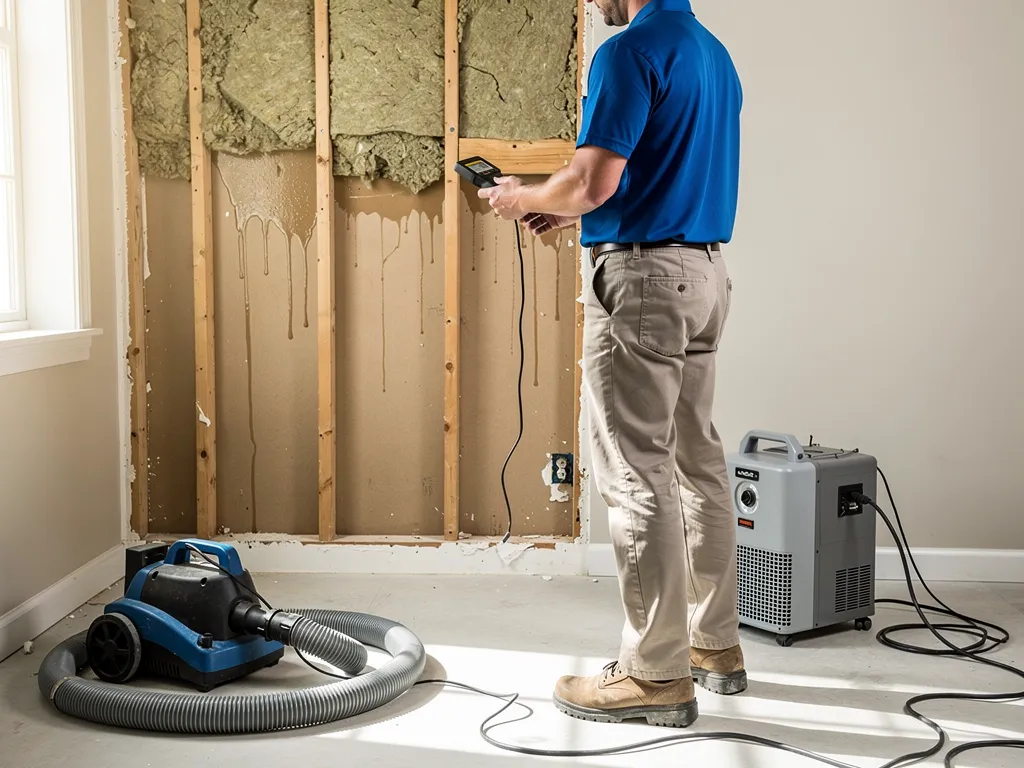
Sneezing fits, watery eyes, and a persistent scratchy throat often signal something growing behind the walls. Families across Northwest Houston frequently mistake these symptoms for seasonal allergies, missing the real source for weeks or months. Recognizing the health risks associated with mold exposure for families starts with knowing which physical reactions tend to repeat indoors. Fade when everyone leaves the house.
Allergic-type responses top the list of warning signs. Common reactions include:
- Sneezing and nasal stuffiness
- A runny or congested nose
- Red, itchy, or watery eyes
- Skin rash or irritation
These symptoms mirror hay fever, which is exactly why so many households overlook mold as the cause.
Can family members react to mold without a mold allergy?
Yes. Irritation of the eyes, nose, throat, skin, or lungs can strike household members who have no diagnosed mold allergy at all. This means a child or spouse without allergy history can still cough, wheeze, or develop skin irritation from ongoing exposure. Symptoms that vanish during vacations or improve after time away from home deserve closer attention.
When should we consider a professional mold inspection?
Persistent, unexplained symptoms that resist typical allergy treatment call for a deeper look than a visual walkthrough. Our team relies on advanced moisture detection, thermal imaging, and air quality testing to locate mold at its source, even when growth hides inside walls or ductwork. Pinpointing the origin matters more than treating symptoms one allergy season at a time.
Families noticing these patterns gain the most from an inspection that traces the problem to its root, not just its surface signs.
Is Black Mold More Dangerous Than Other Types?
Black mold carries an outsized reputation, but severity depends more on moisture exposure and individual sensitivity than on species alone. Homeowners often assume a dark, greenish-black patch on drywall signals a worse problem than lighter-colored growth elsewhere in the house. That assumption deserves a closer look before anyone panics over a stain in the shower.
Black mold shows up most often in damp or water-damaged corners of a home, basements, shower stalls, and window frames among the usual culprits. These are the same moisture-prone spots where other mold species thrive too, which is part of why we treat every infestation with the same disciplined approach. Source location matters more than color when we’re assessing the health risks associated with mold exposure for my family.
Does Black Mold Make Healthy People Seriously Sick?
For most healthy individuals, black mold will not cause severe illness. Sensitive household members, including young children, older adults, and anyone with asthma or existing respiratory conditions, face a higher degree of risk and warrant extra caution.
Should Remediation Differ by Mold Species?
Our remediation process stays consistent regardless of which mold species we find. We remove growth at its source, not just the visible surface, which restores a healthier home no matter the color or type involved.
Treating the underlying moisture problem, not just the mold’s appearance, remains the deciding factor in protecting every family member.
Who in Your Family Faces the Greatest Risk?
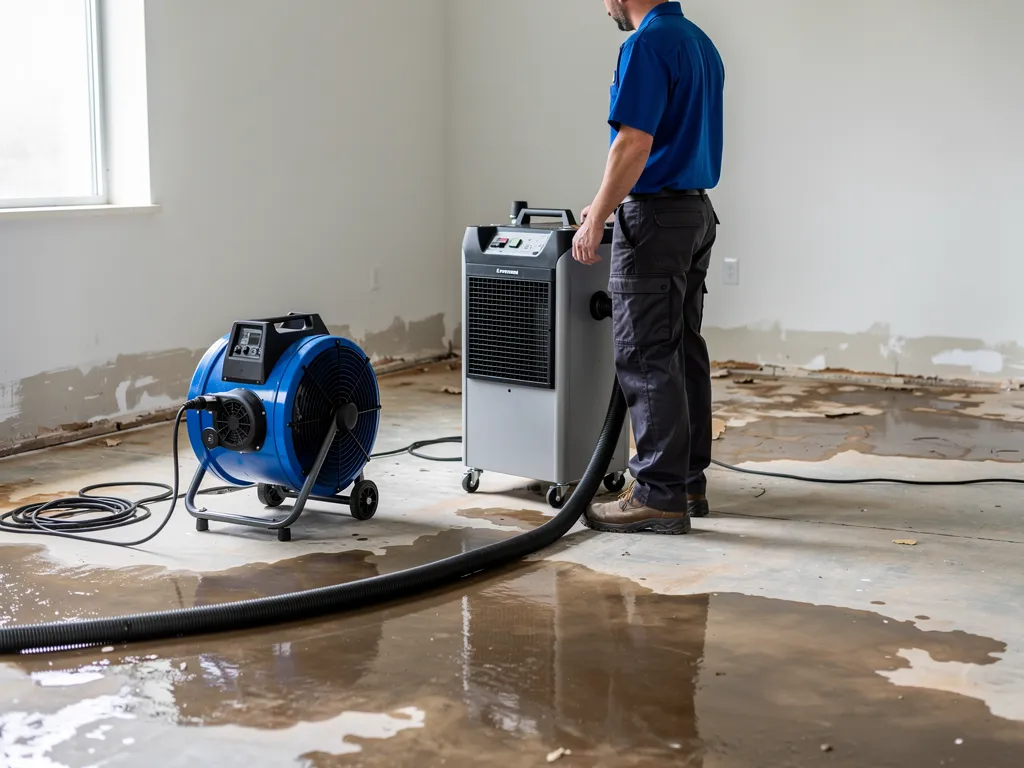
Asthma sufferers with a mold allergy carry the highest risk of a sudden attack triggered by exposure. That danger multiplies for a family member who already struggles to breathe on a normal day. We treat every inspection with that reality in mind, because health risks associated with mold exposure rarely announce themselves until symptoms have already taken hold.
Which household members should I watch most closely?
Anyone managing asthma and a mold allergy sits at the top of our concern list. Exposure in this group triggers asthma attacks, not just mild irritation, which is why we move fast once mold is confirmed. Children, older adults, and anyone with an existing respiratory condition deserve close attention whenever damp, musty areas show up in the home.
Mold rarely stays contained to one visible patch on a wall. It travels, often through the very system meant to keep air clean.
Does mold hiding in the HVAC system put my whole family at risk?
Yes. Growth inside air ducts and plenums spreads through the HVAC system and reaches every room the system serves. That means a mold colony in the basement can affect air quality in a child’s bedroom two floors up. Our HVAC mold removal service targets these hidden pockets directly, cutting off the circulation path before it reaches vulnerable family members.
Waiting rarely helps and often costs a household more than early action would have. Our certified technicians respond quickly and offer finance support. Families with an asthmatic child or an elderly parent are not left waiting while mold spreads through shared air.
How Can You Protect Your Home and Family?
Protection starts with complete, certified remediation built for local conditions. Northwest Houston homes face humidity and moisture patterns that call for a tailored approach, not a generic one-size-fits-all treatment plan.
Team Home Solutions designs every project around the specific needs of Northwest Houston households. Our certified technicians respond quickly once mold is suspected. We offer finance support so cost never delays a necessary remediation project. Speed matters here: the longer mold sits untreated, the more it spreads through walls, ductwork, and flooring.
Being locally owned and family-operated shapes how we communicate with every client. We explain findings in plain language, answer questions honestly, and keep families informed at each stage of the remediation process. Prompt service and personal attention are not add-ons for us. They are the standard we hold ourselves to on every job.
What if a musty smell won’t go away?
A lingering musty odor often signals mold activity affecting indoor air quality, even when no visible growth appears. We pair remediation work with advanced odor removal treatments designed for mold, smoke, and other persistent household odors.
What steps protect a family most effectively?
- Schedule certified remediation as soon as musty odors or visible growth appear
- Choose a locally owned team that communicates transparently at every step
- Pair remediation with targeted odor treatments to restore healthier indoor air
- Ask about finance support so treatment isn’t delayed by cost concerns
Conclusion
In closing, mold exposure presents serious health risks that demand prompt professional attention. Protecting your family’s wellbeing requires thorough inspection and complete remediation at the source. Team Home Solutions stands ready to address mold problems comprehensively, delivering the certified expertise and reliable service your Northwest Houston home deserves. Contact our team today to schedule your inspection and secure the lasting peace of mind your family needs.