
Mold Remediation for HVAC Systems Texas in Houston
When it comes to Mold Remediation for HVAC Systems Texas, homeowners face year-round risk: Houston’s 75-90% average relative humidity combined with rarely-below-50°F temperatures lets mold colonize HVAC systems within 24-48 hours. Professional remediation should follow IICRC S520 standards, and any water intrusion must be dried within 24-48 hours to prevent regrowth.
Houston homeowners facing musty odors near vents often have mold growing inside HVAC systems, fueled by 75-90% average humidity levels common across the region. We remove contamination at the source using IICRC S520 standards, clean ductwork thoroughly, and back every job with a peace of mind guarantee for lasting results.
Why Does Houston’s Climate Fuel HVAC Mold?
Humidity is a major factor driving Houston’s mold problem, along with other environmental conditions. Average relative humidity across the city sits between a notable share and 90%, a level almost no other major U.S. metro sustains for so much of the year. That moisture seeps into attics, wall cavities, and ductwork, giving mold spores exactly what they need to colonize air handlers and vents. We see this pattern repeat in home after home across Northwest Houston and its suburbs.
Winter offers little relief here. Temperatures rarely fall below 50°F, so mold never truly goes dormant the way it would in colder climates. Growth simply continues, month after month, inside ducts that stay dark, moist, and undisturbed.
Does Houston’s Older Housing Stock Make HVAC Mold Worse?
Yes, and the timing matters. Much of Houston’s housing stock dates to the 1960s-1980s building boom, an era of construction that often used ductwork and insulation less resistant to moisture intrusion. Aging seams, degraded seals, and outdated duct materials give water an easy path inside, and mold follows close behind.
What Does This Mean for Homeowners Weighing DIY vs. Professional Help?
Given these three forces working together, a wipe-down of visible spots near a vent rarely solves the underlying issue. Effective mold remediation for HVAC systems in Houston has to account for:
- Humidity levels significantly exceed the national average of 30-50%
- Year-round warmth that prevents mold dormancy
- Ductwork and insulation typical of older Houston homes
We treat each of these conditions as part of one connected problem, not three separate ones.
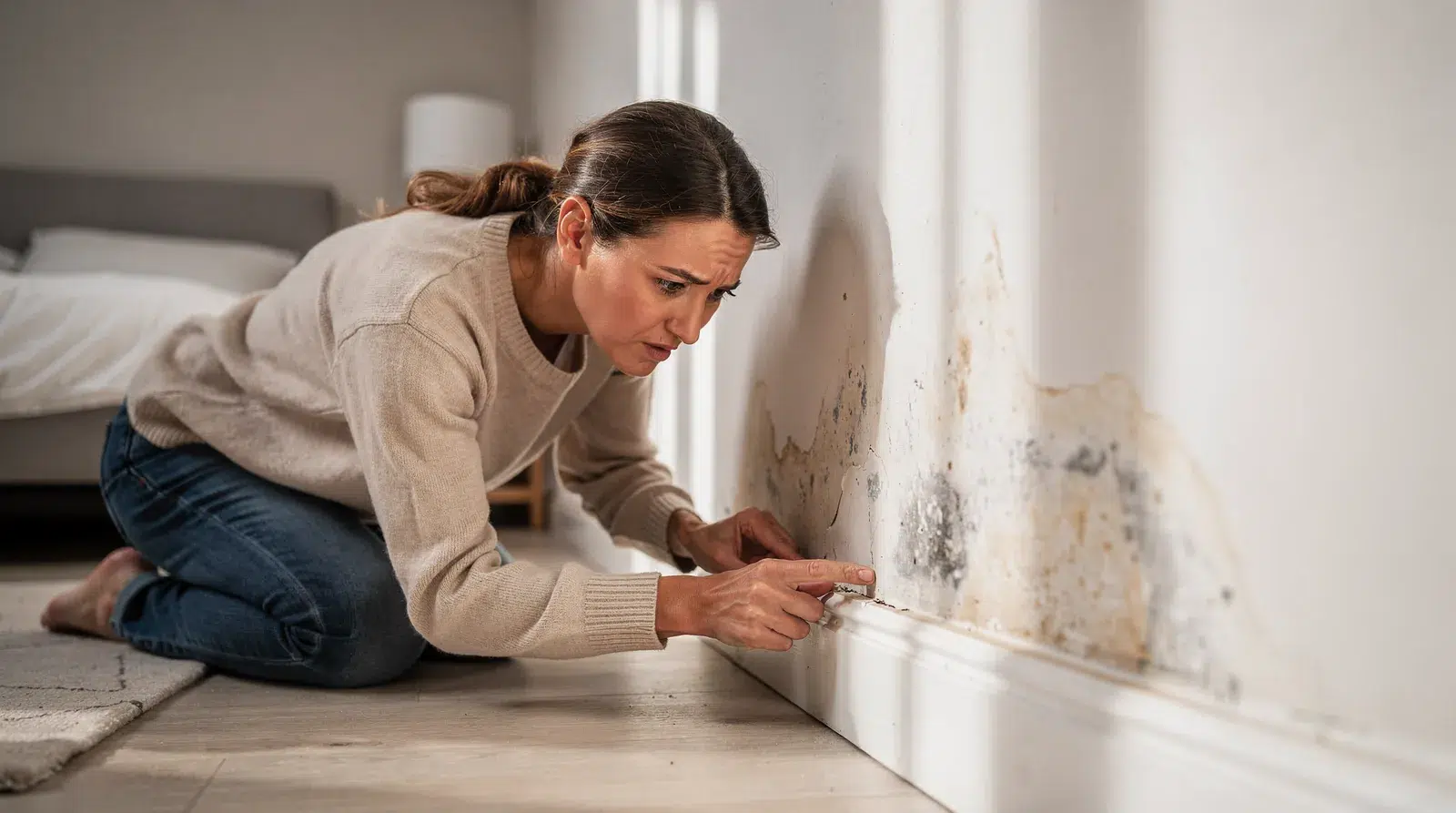
Is That Musty Smell Really Mold?
A musty odor near your vents usually signals real mold growth, not just stale air. Houston’s warm, humid climate and frequent storms keep local homes under constant pressure from moisture, and that pressure extends straight into HVAC components. We’ve walked into countless Houston homes where a faint smell near a supply vent turned out to be an active colony inside the ductwork.
Mold does not wait around once conditions are right. It can establish itself in as little as 24 hours. One especially concerning species, black mold, thrives in exactly the damp, dark environment your air ducts provide. That timeline matters — a smell you noticed last week may already reflect a growing problem.
How do I know if it’s mold and not just dust?
Dust smells earthy but fades quickly once you clean. Mold odor lingers, often described as musty, damp, or like wet cardboard, and it tends to return even after surface cleaning.
Should I inspect the ducts myself?
We recommend against it. A proper inspection is necessary before any remediation begins. The full extent of contamination gets identified and the cleanup addresses the actual source.
Our approach relies on tools homeowners simply do not have on hand:
- Moisture detection equipment to trace hidden dampness inside walls and duct runs
- Thermal imaging to spot temperature differences that indicate trapped moisture
- Air quality testing to confirm whether spores are circulating through your living space
This combination pinpoints the source of mold remediation for HVAC systems in Houston rather than just treating what’s visible near the vent cover.
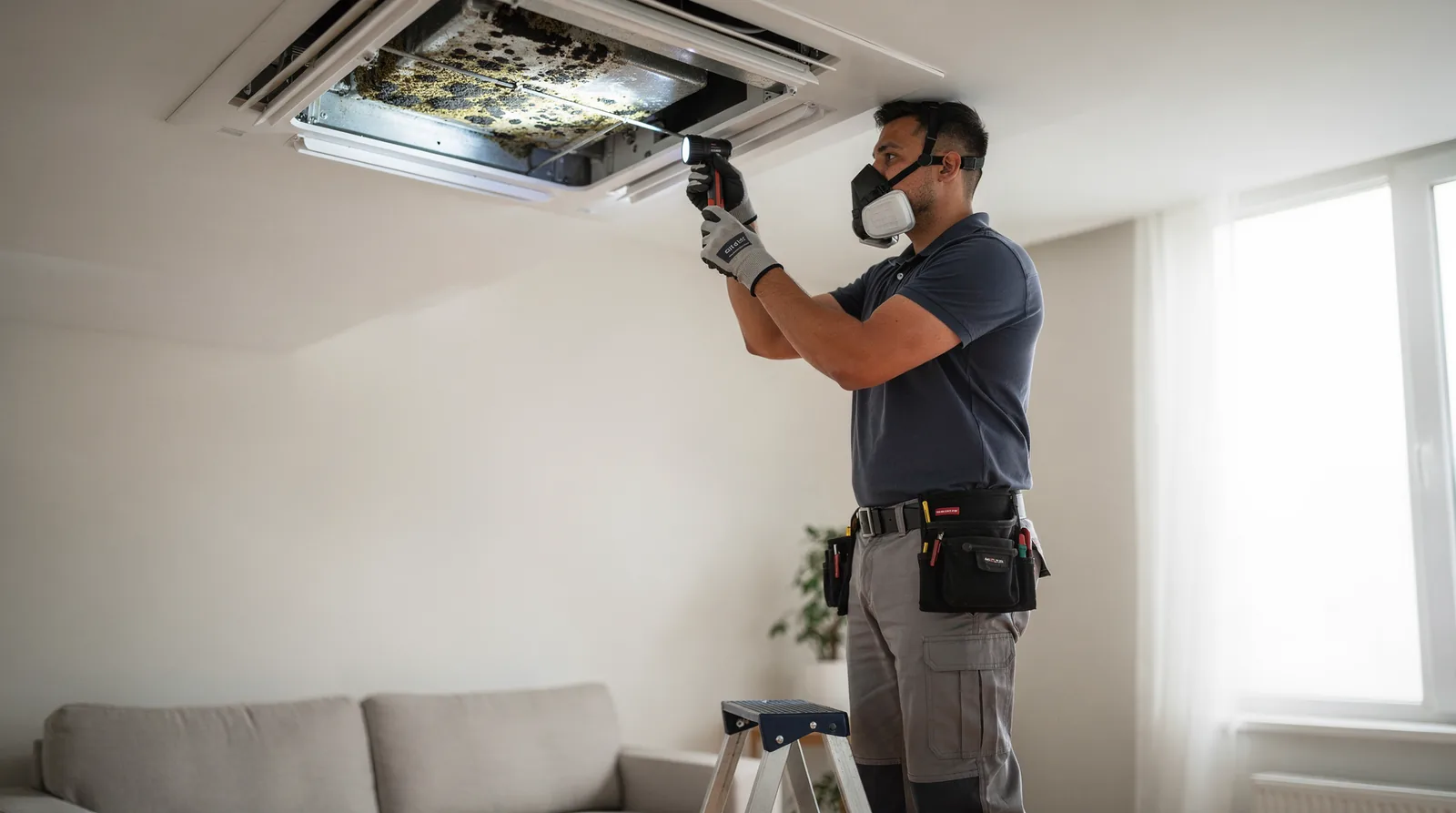
What Are the Biggest HVAC Mold Myths?
The most damaging myth claims that HVAC mold only strikes older Houston homes. New construction throughout the greater Houston area faces the same risk. Age has little to do with it. Humidity, ductwork condensation, and storm exposure matter far more than a home’s build date.
High humidity levels, water intrusion from major storms, and poor attic ventilation create mold-friendly conditions inside any duct system. A newly built home in Fulshear can develop the same musty odor. Vent staining as a 1970s ranch house near Spring Branch. We’ve inspected brand-new systems where builders sealed moisture inside ductwork during construction, giving mold a head start before the first homeowner even moved in.
Does a New AC System Mean No Mold Risk?
No system is immune, regardless of installation date. New equipment still relies on proper sealing, drainage, and airflow balance. Skip any one of those steps, and moisture collects where mold thrives.
Believing these myths carries real consequences. Homeowners who assume their newer home is safe often ignore early warning signs, like musty smells near vents or unexplained allergy flare-ups. That delay gives mold time to spread through the entire duct network.
Can I Just Spray Bleach Into My Vents?
Bleach does not solve duct contamination and often makes it worse. Spraying bleach into vents pushes moisture and spores deeper into inaccessible sections of ductwork.
Misinformation like this leads directly to improper removal attempts:
- Spraying bleach or vinegar into vents without addressing the moisture source
- Replacing filters alone while contaminated ductwork stays untouched
- Assuming visible mold near a vent means the problem is fully contained
Proper mold remediation for HVAC systems in Houston homeowners can trust starts with identifying the true moisture source, not guessing based on a home’s age.

Should You DIY or Call a Professional?
Professional remediation beats DIY treatment for Houston HVAC systems in nearly every case. Store-bought sprays mask musty odors instead of solving the underlying moisture problem, and mold returns within weeks. Duct systems hide spores in plenums, coils, and drywall cavities that a homeowner cannot reach or inspect safely.
Mold remediation for HVAC systems Texas homeowners trust follows a documented process, not guesswork. Industry benchmarks like the IICRC S520 guidelines define exactly how technicians contain, remove, and verify mold removal from ductwork and air handling components. Skipping these steps risks incomplete removal and repeat contamination.
Can I just clean the ducts myself?
Surface cleaning removes visible dust but rarely reaches mold growing inside plenums or coil housings. Without containment and negative air pressure, DIY cleaning often spreads spores through the rest of the house. That risk alone justifies professional evaluation before touching a vent cover.
Here’s how the two approaches compare:
We built our approach around root-level correction, not cosmetic fixes, and we back it with a peace of mind guarantee. Our certified technicians move quickly once a Houston homeowner calls. We offer finance support so cost never delays a needed inspection.
Is it ever safe to wait before calling someone?
Waiting rarely helps once musty odors or allergy symptoms appear near vents. Houston’s humidity accelerates growth, and delays give mold more time to spread through ductwork. Scheduling an inspection promptly protects both indoor air quality and long-term repair costs.
How Can You Prevent Mold From Returning?
Three habits keep Houston homes protected long after remediation ends: humidity control, fast ventilation, and quick drying. Skip any one of these, and moisture rebuilds the conditions mold needs within days, not months. We build our remediation plans around preventing that cycle from starting again.
Humidity sits at the center of every prevention strategy. Houston air routinely holds far more moisture than a home’s structure can tolerate. We recommend keeping indoor relative humidity between 30% and 50% whenever possible. A hygrometer costs little and tells you immediately when levels creep into dangerous territory.
What areas of the home need the most attention?
Bathrooms, kitchens, and laundry rooms generate the bulk of a household’s daily moisture. Ventilating these spaces quickly, whether through exhaust fans or open windows, keeps damp air from settling into drywall and ductwork. We treat these three rooms as priority zones during every follow-up inspection.
How fast do we need to respond after a leak or flood?
Speed matters more than most homeowners realize. Mold can appear within 24 to 48 hours after water damage occurs, spreading rapidly once it takes hold. Any wet carpet, cabinet, or ceiling tile needs full drying inside that window, not “sometime this week.”
Beyond humidity and drying, HVAC maintenance closes the loop. Mold remediation for HVAC systems Texas homeowners rely on typically includes professional duct cleaning, which removes lingering spores before they recirculate through vents.
- Maintain indoor humidity between 30% and 50%
- Ventilate bathrooms, kitchens, and laundry rooms immediately after use
- Dry all water damage within 24 to 48 hours
- Schedule periodic duct cleaning to catch buildup early
Our technicians combine these steps with routine HVAC checks, giving Houston homeowners a durable defense rather than a temporary fix.
Protecting your home from HVAC mold requires vigilance, professional expertise, and prompt action when problems emerge. Team Home Solutions brings certified knowledge and thorough remediation to Northwest Houston homeowners facing mold contamination in their air systems. By addressing mold at its source. Maintaining your HVAC system properly, you safeguard both your home’s integrity and your family’s health. Trust the specialists who understand Houston’s climate challenges. Deliver lasting solutions backed by our commitment to your peace of mind.
Frequently Asked Questions
How can I tell if I have mold in my HVAC system?
The clearest signs are a persistent musty odor near vents, visible dark spots or staining on vent covers, unexplained allergy flare-ups when the system runs, and dust that seems to return no matter how often you clean. Because ductwork hides most contamination from view, a professional inspection using moisture detection and air quality testing is the only reliable way to confirm mold in air ducts.
What health risks does mold in an HVAC system create?
When mold colonizes ductwork, spores circulate through every room the system serves. That can trigger or worsen allergy symptoms, respiratory irritation, headaches, and sinus congestion, especially for household members with asthma or existing sensitivities. The longer contaminated air keeps circulating, the more exposure your household accumulates.
Why is Houston especially prone to mold in air ducts?
Houston’s average relative humidity runs 75-90%, far above the national norm, and temperatures rarely drop below 50°F even in winter. That combination means mold never truly goes dormant here, and it can begin colonizing HVAC systems within 24-48 hours of any moisture intrusion.
Can I remove HVAC mold myself, or do I need a professional?
We recommend against DIY treatment. Sprays and bleach only mask surface odor while pushing spores deeper into plenums, coils, and duct sections you can’t reach or inspect safely. Professional air duct mold remediation in Houston follows IICRC S520 standards, using containment and negative air pressure to remove contamination at its source rather than just near the vent cover.
How quickly should I schedule mold remediation after noticing a problem?
As soon as possible. Mold can establish itself within 24-48 hours of water intrusion, and Houston’s humidity accelerates that growth further. Delaying an inspection only gives contamination more time to spread through the entire duct network, so we encourage homeowners to schedule an evaluation the moment musty odors or symptoms appear.
Conclusion
Houston’s climate leaves little room for shortcuts when it comes to HVAC mold. Between the region’s persistent humidity, warm winters, and aging housing stock in many neighborhoods, mold has every advantage it needs to take hold inside ductwork and keep coming back after a surface-level fix. Recognizing the real signs, understanding why the common myths and DIY remedies fall short, and knowing when to bring in a professional are what separate a temporary patch from a lasting solution.
At Team Home Solutions, we approach every job with the same standard: identify the true moisture source, remediate it according to IICRC S520 protocols, and verify the results before we consider the work done. Combine that with the prevention habits outlined above — humidity control, fast ventilation, and quick drying — and Houston homeowners can protect both their indoor air quality and their home’s long-term integrity.