
How Can I Tell if I Have a Serious Mold Problem in My Home?
When it comes to How Can I Tell if I Have a Serious Mold Problem in My Home?, persistent musty odors, unexplained allergy or asthma flare-ups, peeling paint, warped walls, and past water damage signal hidden mold behind surfaces. Mold thrives in damp, poorly ventilated spots like walls, attics, and under flooring. Our certified technicians at Team Home Solutions trace these warning signs to their source. Confirm findings through professional mold inspection.
What Are the First Signs of a Hidden Mold Problem?
A persistent musty odor, unexplained dark spots on walls, or sudden respiratory irritation often mark the earliest warning signs of mold growth. These clues rarely announce themselves loudly. Homeowners trying to figure out how serious a mold problem might be inside their home usually start by noticing something small: a smell that won’t go away, or a stain that keeps spreading.
Mold favors dark, damp corners of a house. Basements, crawl spaces, behind drywall, under sinks. These are the spots where moisture lingers and mold gets a foothold long before anyone spots it. That preference for hidden, humid environments explains why so many infestations grow undetected for weeks or months before symptoms surface.
How do I know if a musty smell means mold?
A musty smell rarely lies. If the odor persists after cleaning, airing out a room, or running a dehumidifier, mold is a likely culprit. Pair that smell with any visible staining or health symptoms, and the case for a deeper problem grows stronger.
Early warning signs worth tracking include:
- A musty odor that returns even after cleaning
- Dark, discolored patches on walls, ceilings, or baseboards
- Respiratory symptoms — coughing, congestion, or irritated eyes — that ease when away from home
We built our approach around catching these signals early. Tracing them to their source, rather than simply treating what’s visible on the surface. cite-1 Our certified technicians respond quickly once homeowners flag a suspicious smell or stain. Early action limits how far mold can spread through a structure.

Could Your Health Symptoms Point to Mold Exposure?
Yes — unexplained coughing, headaches, or sinus irritation often trace back to mold hiding somewhere in the home. We treat mold exposure as a health concern first, not just a maintenance issue. Allergy sufferers and asthma patients face the greatest risk, since mold particles trigger flare-ups that can worsen with continued exposure.
We also remind our clients that mold rarely stays a cosmetic nuisance. Left untreated, it damages framing, drywall, and flooring while contributing to health problems that build over time. What starts as a faint musty smell can signal a much larger colony growing behind walls or under flooring.
Why does my home still smell musty after cleaning?
Surface cleaning rarely solves an odor problem rooted in hidden moisture. Persistent musty smells usually mean mold spores remain active somewhere in the structure, even after visible mold disappears. We address this with advanced odor removal treatments designed specifically for mold-related odors, along with smoke and pet odors that affect indoor air quality.
Which symptoms should worry us most?
We advise clients to pay close attention to these patterns:
- Ongoing respiratory irritation, especially with existing asthma or allergies
- Headaches or fatigue that ease when away from the house
- Sinus congestion that returns despite treatment
- Skin or eye irritation with no other clear cause
None of these symptoms confirm mold on their own. Together, though, they build a pattern our team takes seriously during every inspection.
Where Does Hidden Mold Usually Grow in a Home?
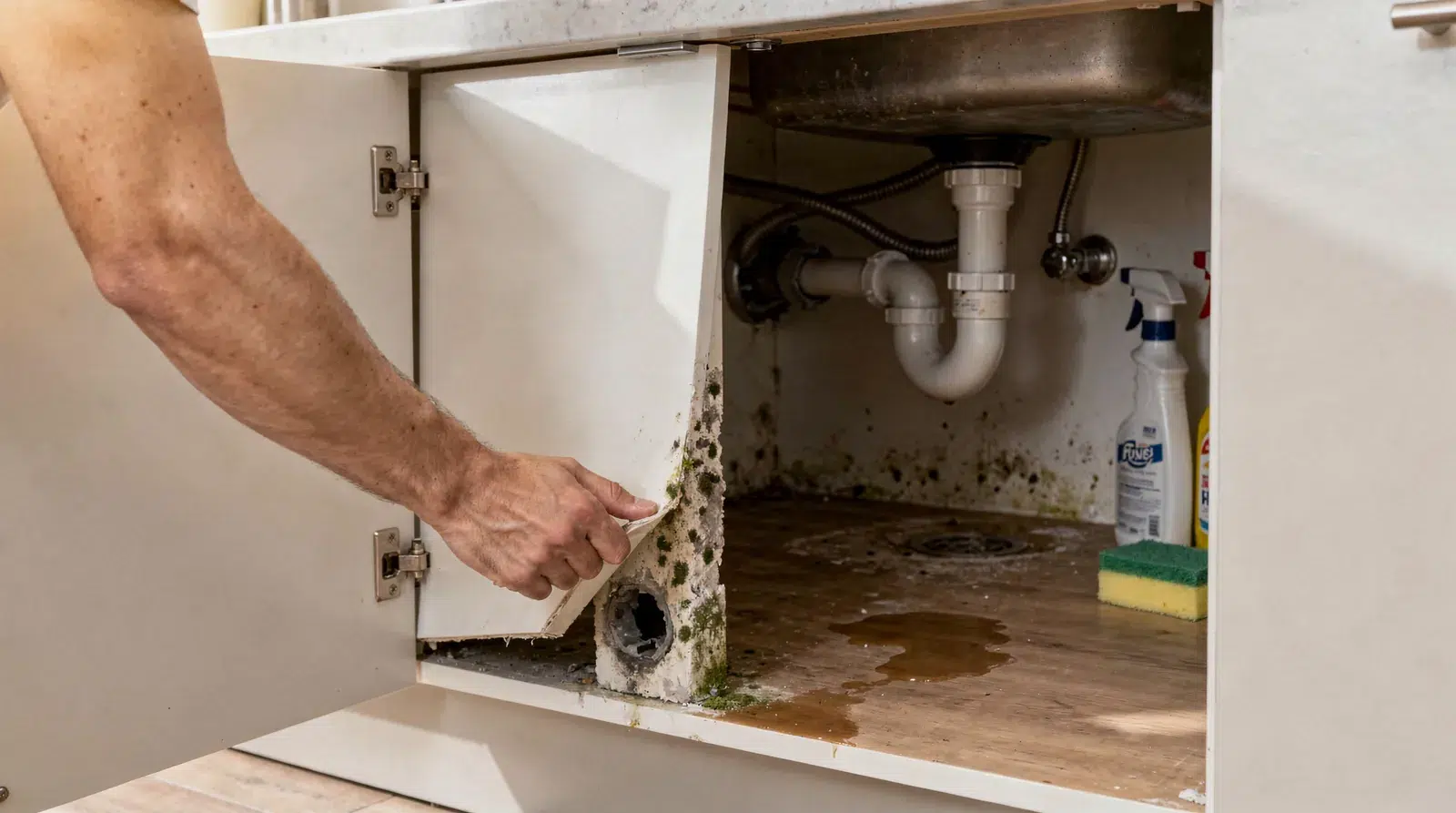
Concealed spaces behind walls, beneath flooring, and inside attics or crawl spaces top our list of common hidden mold locations. These areas trap moisture far longer than open rooms, and darkness keeps mold colonies growing undisturbed for months. We often find the worst infestations in homes where a musty odor was noticed but never traced to its source.
Moisture is the root cause in nearly every case we investigate. Water leaks, condensation on pipes or windows, and persistently high humidity levels all feed mold growth in places homeowners rarely check. A slow plumbing leak under a bathroom floor, for instance, can sustain mold for weeks before any staining reaches the surface.
Can mold hide inside my HVAC system?
Yes. Air ducts and plenums provide dark, often damp pathways that mold colonizes quietly, then circulates throughout the house every time the system runs. We treat HVAC mold as a distinct problem requiring dedicated duct and plenum cleaning. Standard remediation of walls or flooring won’t reach it.
How do professionals find mold we can’t see?
Certified inspectors rely on tools that go beyond a visual walk-through. Our process typically includes:
- Moisture detection equipment to pinpoint damp materials behind finished surfaces
- Thermal imaging to reveal temperature differences that signal trapped water
- Air quality testing to measure spore levels circulating through living spaces
These methods locate mold at its source, rather than only where symptoms happen to surface. Combining moisture readings with thermal imaging and air sampling gives us a complete picture instead of a guess. Homeowners dealing with a lingering musty smell or unexplained allergy flare-ups gain real answers this way, not assumptions based on what’s visible in a hallway or closet.
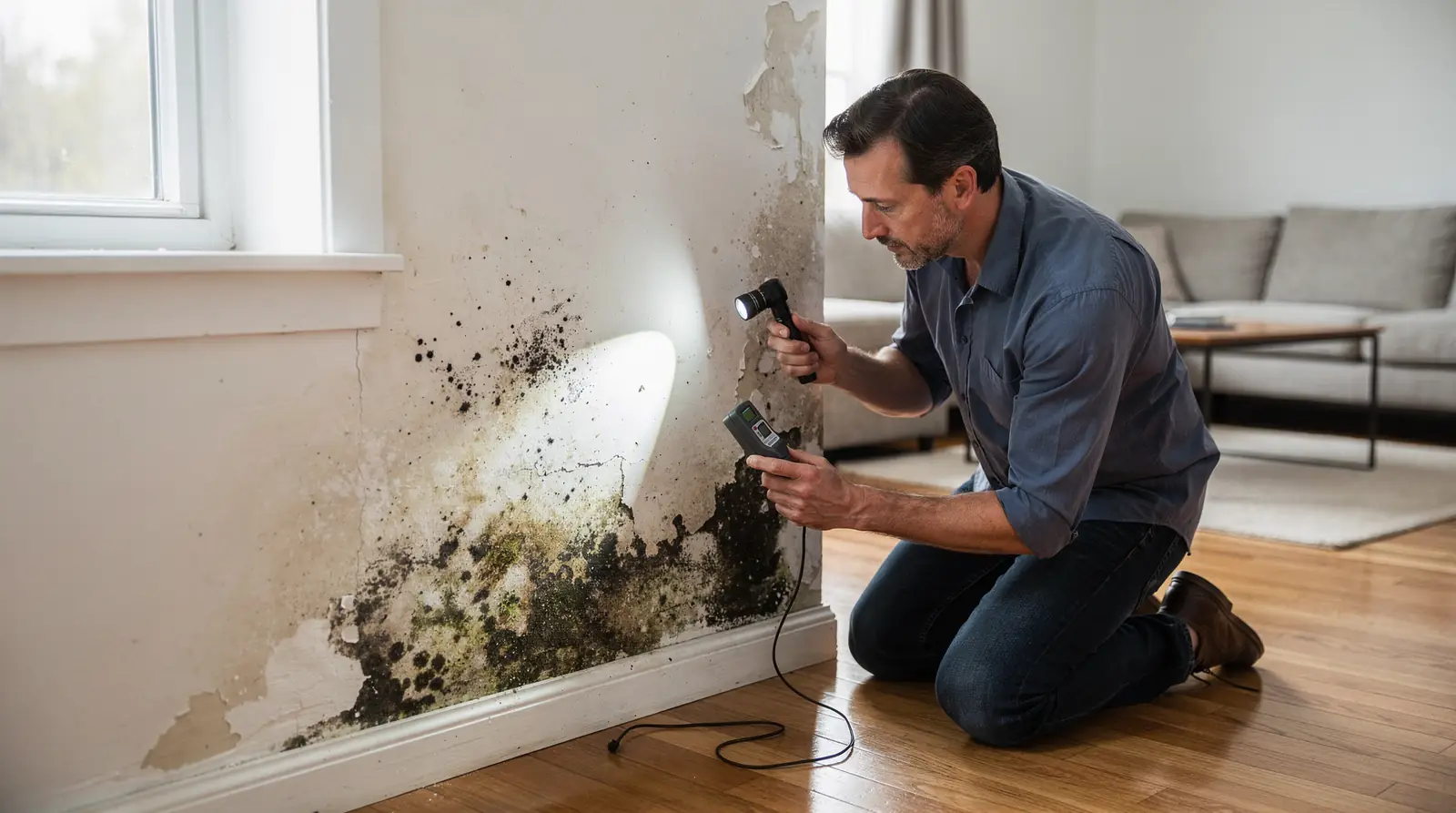
Determining whether a mold problem in your home has become serious depends on a few clear warning signs, not just the size of a visible patch. Hidden mold can be dangerous and go unnoticed for months, growing behind walls or under flooring while the surface looks fine. Musty odors, past water damage, and ongoing respiratory symptoms all point toward a bigger issue than what meets the eye.
Most mold problems start small. Left unaddressed, they escalate quickly, spreading through drywall, insulation, and HVAC systems before homeowners notice a change. Early detection matters far more than most homeowners realize. A manageable issue today can turn into a costly, whole-home remediation project within weeks.
What signs mean my mold problem needs professional attention?
A few red flags separate a minor cleanup from a serious infestation:
- Musty smell that returns even after cleaning
- Discoloration or staining following any past leak or flood
- Family members with worsening allergies, headaches, or breathing trouble indoors
- Mold appearing in more than one room or returning after removal
Any of these signs suggests mold has spread beyond the surface, which calls for a professional inspection rather than a DIY fix. cite-1
Why does surface cleaning fail to solve the problem?
Wiping visible mold off a wall treats a symptom, not the cause. Mold remediation removes mold at its source, addressing the moisture and hidden growth that triggered it in the first place, so the problem doesn’t quietly return.
We serve as a locally trusted mold expert for Northwest Houston and surrounding suburbs, and we back every job with a peace of mind guarantee. cite-1 Our certified technicians respond quickly and offer finance support. Homeowners facing a suspected mold problem can get answers and act without delay. cite-1
What Should You Do Once You Suspect Serious Mold?
Scheduling a professional mold inspection comes first. Guessing based on a musty odor or a water stain leaves too much room for error. Our team uses advanced moisture detection, thermal imaging, and air quality testing to find mold at its true source, not just where it happens to surface. cite-1
That inspection matters because a serious mold problem rarely stays where you can see it. Once we confirm the scope, remediation focuses on removing mold at its source rather than wiping down visible growth and hoping it doesn’t return. The goal is a healthier home, backed by honest service from start to finish.
How fast should remediation start after inspection?
Speed matters once mold is confirmed. Our certified technicians offer fast response times and finance support. Homeowners facing an active problem can move forward without delay.
What if I can’t afford remediation right away?
Cost shouldn’t stall a fix. Finance support is available so treatment can begin promptly instead of being postponed while mold continues spreading.
Here’s what a serious response looks like in practice:
- Book an inspection with moisture and air quality testing
- Get a source-based diagnosis, not a surface guess
- Move into remediation without delay
- Rely on a peace of mind guarantee for lasting results
We built our process around solving problems at the root level. Homeowners regain confidence in their homes, not just a clean-looking wall.
Recognizing the warning signs of hidden mold empowers you to protect your home and family before serious damage occurs. Persistent odors, visible discoloration, and unexplained health symptoms demand immediate professional attention. Team Home Solutions stands ready to conduct thorough inspections that identify mold at its source, delivering the expertise and peace of mind you deserve. Don’t wait for problems to escalate—address mold concerns today with certified professionals committed to restoring your home’s safety and integrity.
Frequently Asked Questions
What are the earliest warning signs of a hidden mold problem?
A musty odor that lingers after cleaning, dark or discolored patches on walls and ceilings, and respiratory symptoms like coughing or congestion that improve when you leave the house are the earliest signs of hidden mold. These clues often show up well before mold becomes visible on a surface.
Can mold cause health symptoms even if I can’t see it?
Yes. Unexplained coughing, headaches, sinus congestion, or skin and eye irritation can all trace back to mold growing behind walls, under flooring, or inside HVAC systems. Allergy and asthma sufferers are especially vulnerable to flare-ups from ongoing exposure.
Where does mold usually hide in a home?
Mold most often grows in concealed, damp areas such as behind drywall, under flooring, inside crawl spaces and attics, and within HVAC ducts and plenums. Moisture from leaks, condensation, or high humidity is almost always the root cause.
How do professionals detect mold that isn’t visible?
Certified technicians use moisture detection equipment, thermal imaging, and air quality testing to locate damp materials and circulating mold spores that a visual inspection alone would miss. This combination pinpoints the source of the problem instead of just the symptoms.
When should I call a mold remediation professional instead of cleaning it myself?
Call a professional if a musty smell returns after cleaning, mold appears in more than one room, mold keeps coming back after previous removal, or you notice staining following past water damage. These signs mean mold has spread beyond the surface and needs source-based remediation, not a DIY wipe-down.
Conclusion
Recognizing the early warning signs of hidden mold — a musty odor that won’t go away, unexplained health symptoms, discoloration tied to past water damage, or mold that keeps returning after cleaning — gives you the power to act before a manageable issue turns into a costly, whole-home problem. Mold thrives in the places you can’t easily check, from behind drywall to inside HVAC systems, which is why a professional inspection using moisture detection, thermal imaging, and air quality testing matters more than guesswork. At Team Home Solutions, we trace mold to its true source and remediate the cause, not just the symptom, so you can trust the problem is actually solved. If any of these signs sound familiar in your own home, don’t wait for them to get worse — reach out and let our certified technicians give you clear answers and a real path forward.