
When it comes to How Do I Know if My Air Ducts Need Cleaning or Mold Removal?, visible dust around vents, musty odors, spiking allergy symptoms, and inconsistent HVAC airflow signal trouble. Dust buildup points to routine duct cleaning, while musty smells or visible spots suggest mold growth requiring inspection. NADCA recommends professional duct cleaning every three to five years. Our certified technicians assess both conditions and recommend cleaning versus remediation accordingly.
What Should You Know Before You Begin?
Homeowners deciding whether air ducts need cleaning or mold removal should first separate two distinct problems: ordinary dust buildup and active mold growth. Dust, debris, and contaminants accumulate inside HVAC systems over time, slowing performance and lowering indoor air quality. Confusing the two issues wastes money on the wrong fix and delays real relief from allergy flare-ups or musty odors.
Before booking any service, walk through these steps in order:
- Note where symptoms started — near vents, in a specific room, or throughout the whole house.
- Check for visible dust rings around vent covers, which usually points to a duct cleaning need rather than mold.
- Look for dark spots, streaking, or a persistent musty smell, which signal a possible mold problem instead.
- Track HVAC performance changes, such as weak airflow or rising energy use, since both dust and mold can cause these symptoms.
- Call in a local expert once symptoms are documented rather than guessing at the cause.
Team Home Solutions operates as a locally trusted mold expert serving Northwest Houston and the surrounding suburbs. cite-2 We solve mold problems at the root level, not just on the surface, and we back that work with a peace-of-mind guarantee. Our certified technicians respond quickly and offer financing support, so cost never has to delay a needed inspection.
Can dust buildup and mold look the same at first?
Dust tends to appear as gray or beige film around vent covers and registers. Mold growth usually looks darker, spreads in patches, and carries a musty smell dust alone does not produce. When both appear together, a professional inspection settles which problem is driving the symptoms.

What Are the Early Warning Signs?
Dust returning to vents within days of a thorough cleaning points to buildup happening deep inside the ductwork itself. That pattern isn’t a sign of a messy house — it’s a sign the ducts are recirculating debris every time the system runs. We treat this as one of the clearest signals that air ducts need cleaning rather than a simple wipe-down.
Filters catch plenty, but they can’t catch everything. Even homes that replace filters on schedule still deal with dust, dirt, and allergens settling deep inside the duct system. Ductwork gives these particles a place to hide long-term. Homeowners who notice allergy flare-ups despite fresh filters are often looking at this exact issue.
How Do I Tell a Duct Problem From a Mold Problem?
Odor is often the deciding clue. A musty, mold-like smell, lingering smoke odor, or persistent pet smell usually points to an air quality issue that basic duct cleaning won’t fully resolve. These cases call for advanced odor treatment methods designed specifically for mold, smoke, and pet-related contamination.
Here’s a quick way we ask homeowners to sort their symptoms:
- Dust returns fast after cleaning → likely a duct buildup issue
- Allergy symptoms flare indoors despite filter changes → likely trapped dust and allergens in the ducts
- Musty, smoky, or persistent odors → likely an air quality or mold concern needing treatment
- Any combination of the above → worth a professional look before guessing
We built our team around fast, certified response for exactly this reason. Catching these warning signs early — before they escalate into bigger indoor air quality problems. Is far easier than reversing damage after the fact.
How Can You Tell Mold From Dust?
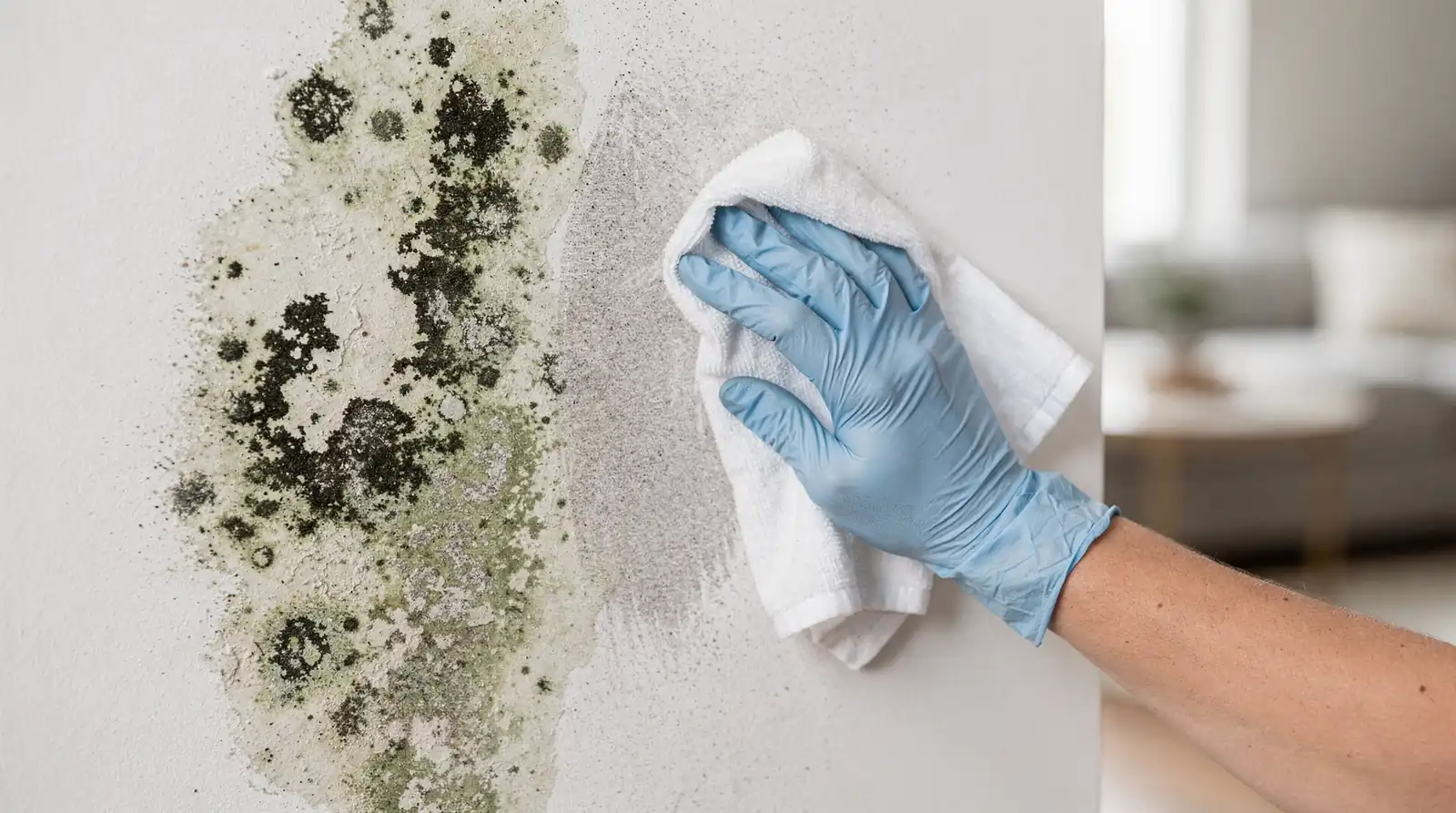
Surface dust sits in a loose, gray layer on vent covers and settles easily onto furniture nearby. Mold growth looks different: it clusters in spots or streaks, often black, green, or orange, and it clings to surfaces rather than brushing away. That visual distinction only tells part of the story, though. Mold frequently grows out of sight inside the ductwork itself. A poorly maintained HVAC system harbors mold, fungi, and bacteria that recirculate through the home every time the system runs, so what looks like a dust problem at the vent can actually be a biological one hiding upstream.
We never ask homeowners to diagnose this by sight alone. Our mold inspections rely on moisture detection, thermal imaging, and air quality testing to locate mold at its true source, rather than guessing from what’s visible at the register. cite-2 This matters because dust and mold require entirely different responses:
| Signal | Likely Cause | Recommended Response |
|---|---|---|
| Gray, loose buildup on vent covers | Ordinary dust accumulation | Duct cleaning |
| Dark or colored spots, musty odor | Mold growth in ducts or plenums | Inspection, then remediation |
| Allergy flare-ups with no visible dust | Hidden mold recirculating through the system | Air quality testing |
Can Mold Grow Inside Air Ducts Without Any Visible Sign?
Yes. Mold often develops inside plenums and duct interiors where moisture collects, long before it becomes visible at the vent opening. Our HVAC mold removal service targets that growth directly inside the ductwork. HVAC components, not just the surfaces homeowners can see.
We treat mold as a root-level problem, not a wipe-and-forget chore, and we back that approach with a peace of mind guarantee.
What Steps Confirm You Need Service?
Five confirmation steps separate ordinary dust from an active mold problem, moving from observation to testing to remediation. Determining whether air ducts need cleaning or mold removal starts with a clear, repeatable process rather than guesswork.
- Log the symptoms first. Note dust that returns within days of cleaning, musty odors, or allergy flare-ups that ease once away from the house.
- Match findings against maintenance timelines. Industry guidance recommends professional duct cleaning every three to five years, with shorter intervals for facilities such as healthcare or food service settings.
- Shorten that timeline for higher-risk households. Homes with allergy sufferers or pets benefit from cleaning every two to three years rather than waiting the full five.
- Request a moisture and air quality check if odors or health symptoms persist despite clean ducts. This step separates simple buildup from a deeper mold concern.
- Schedule professional remediation once testing confirms growth. Remediation removes mold at its source and restores a healthier home, backed by an honest service approach.
How fast can a certified team respond once mold is confirmed?
Our certified technicians offer fast response times and finance support once a homeowner decides service is needed. cite-2 Waiting extends exposure risk and lets moisture-fed colonies spread into new materials. We prioritize prompt scheduling over delayed callbacks.
Does a guarantee back the remediation work?
Yes. We solve mold problems at the root level, backed by a peace of mind guarantee. That commitment gives homeowners confidence the issue will not resurface after treatment, rather than a temporary surface fix that masks the underlying moisture source.
What Mistakes Should You Avoid Deciding?
Three mistakes cause the most damage: ignoring hazardous air quality signs, assuming a dusty vent is a cosmetic issue, and hiring the wrong service for the problem at hand. Skipping the diagnostic step before booking anyone often means paying twice—once for the wrong fix, then again for the right one. We built our inspection and remediation process to prevent exactly that outcome.
Determining whether your air ducts need cleaning or you’re facing a mold problem starts with avoiding these common errors:
- Do not dismiss dirty or damaged ductwork as harmless. Neglected ducts can become dirty or even break, creating hazardous air quality risks throughout the home.
- Do not ignore rising energy bills. Contaminant buildup forces the HVAC system to work harder, which shortens its lifespan and drives up monthly costs.
- Do not treat suspicious growth like ordinary dust. Skipping a real inspection leaves the true source of contamination unaddressed, letting it spread behind walls and inside the system.
- Do not accept surface-level cleaning as a fix for mold. Masking the problem instead of removing it at the source only delays the damage.
Is it safe to just clean the ducts if mold is present?
No. Cleaning alone does not remove mold growing inside the system or behind nearby surfaces. An inspection using moisture detection, thermal imaging, and air quality testing identifies the actual source before any cleaning begins.
What happens if I choose the wrong service?
Choosing cleaning over remediation, or the reverse, wastes money and time. Our team evaluates the home first, then recommends duct cleaning, mold remediation, or both—so the fix matches the actual problem, not a guess.
Recognizing the warning signs of contaminated air ducts protects your home’s air quality and your family’s health. Whether you’ve noticed visible mold growth, persistent odors, or unexplained respiratory issues, these indicators demand professional attention. Team Home Solutions delivers thorough inspections. Certified remediation to address problems at their source, restoring your confidence in the air you breathe. Don’t wait for symptoms to worsen—take action today to ensure your home remains a safe, healthy environment for everyone inside.
Frequently Asked Questions
How often should air ducts be professionally cleaned?
Industry guidance recommends professional duct cleaning every three to five years for most homes. Households with allergy sufferers or pets should shorten that interval to every two to three years, since dust and allergens build up faster.
What’s the difference between duct cleaning and mold remediation?
Duct cleaning removes dust, debris, and allergens that accumulate over normal use. Mold remediation addresses active fungal growth at its source, using moisture detection, thermal imaging, and air quality testing before any cleanup begins. Cleaning alone will not remove mold hiding inside ductwork or nearby surfaces.
What are the clearest signs of mold in an HVAC system?
Watch for a persistent musty smell, dark or colored spots near vents or plenums, allergy flare-ups that occur despite clean filters, and dust that returns quickly after cleaning. Any combination of these signs is worth a professional inspection before booking a service.
Can I just clean my ducts if I suspect mold?
No. Cleaning alone does not remove mold growing inside the system or behind nearby surfaces. An inspection identifies the true source of contamination first, so the right service — cleaning, remediation, or both — actually resolves the problem.
Does Team Home Solutions guarantee its mold remediation work?
Yes. We solve mold problems at the root level, not just on the surface, and we back that work with a peace-of-mind guarantee so the issue won’t resurface after treatment.
Conclusion
Telling dust apart from mold comes down to paying attention to the right clues: how fast dust returns after cleaning, whether odors or allergy symptoms persist despite clean filters, and whether any visible spots or streaking appear near vents. Dust points to routine duct cleaning; musty smells, discoloration, or symptoms that won’t quit point to a mold problem that needs a real inspection. Guessing at the cause almost always costs more in the end, whether that’s paying for the wrong service or letting a hidden moisture problem spread.
Our certified technicians are built to remove that guesswork — assessing airflow, dust buildup, and moisture conditions to recommend cleaning, remediation, or both. Backed by a peace-of-mind guarantee and fast response times, we solve air duct and mold problems at the root, not just on the surface, so your home’s air stays healthy for the long run.