


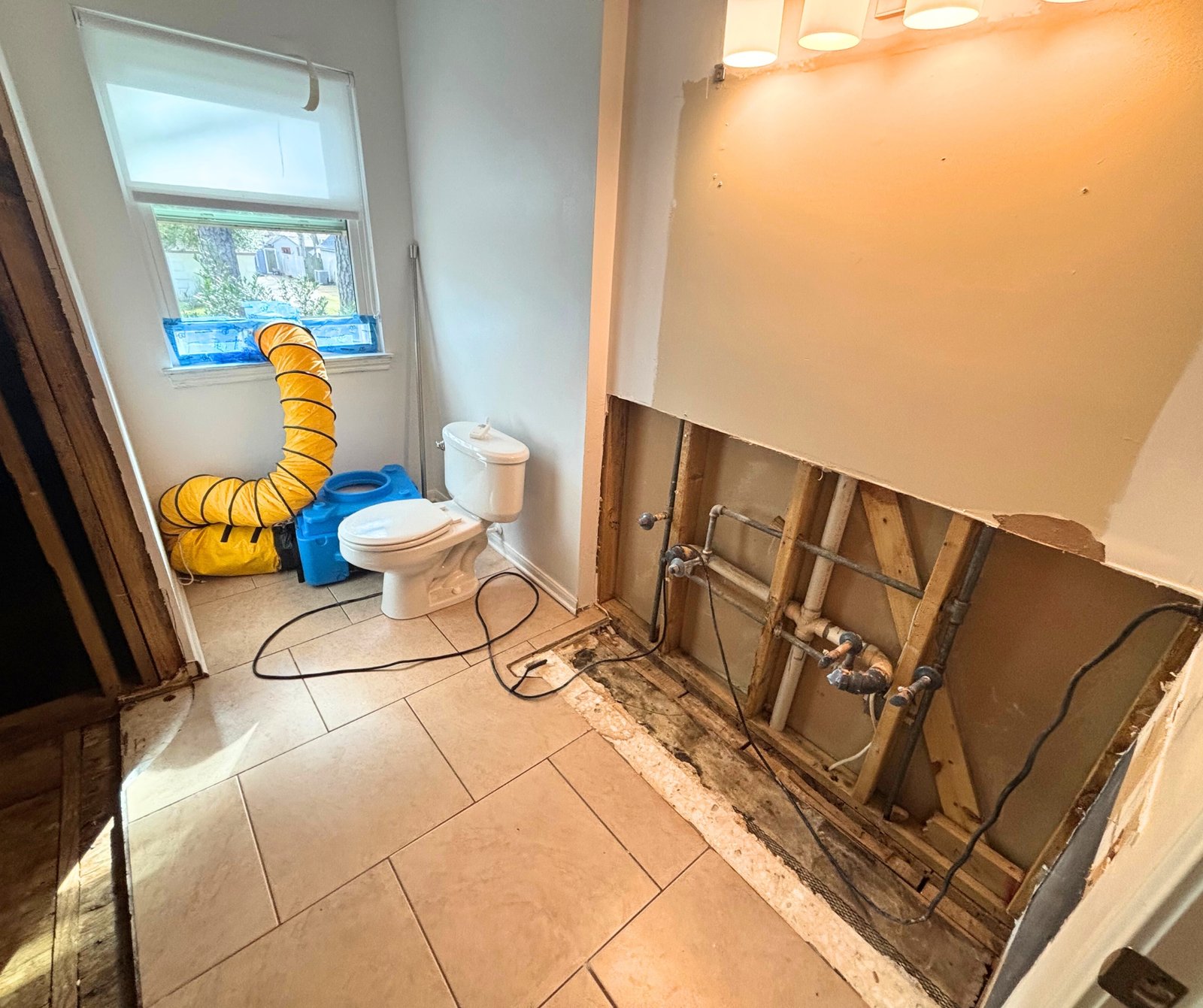
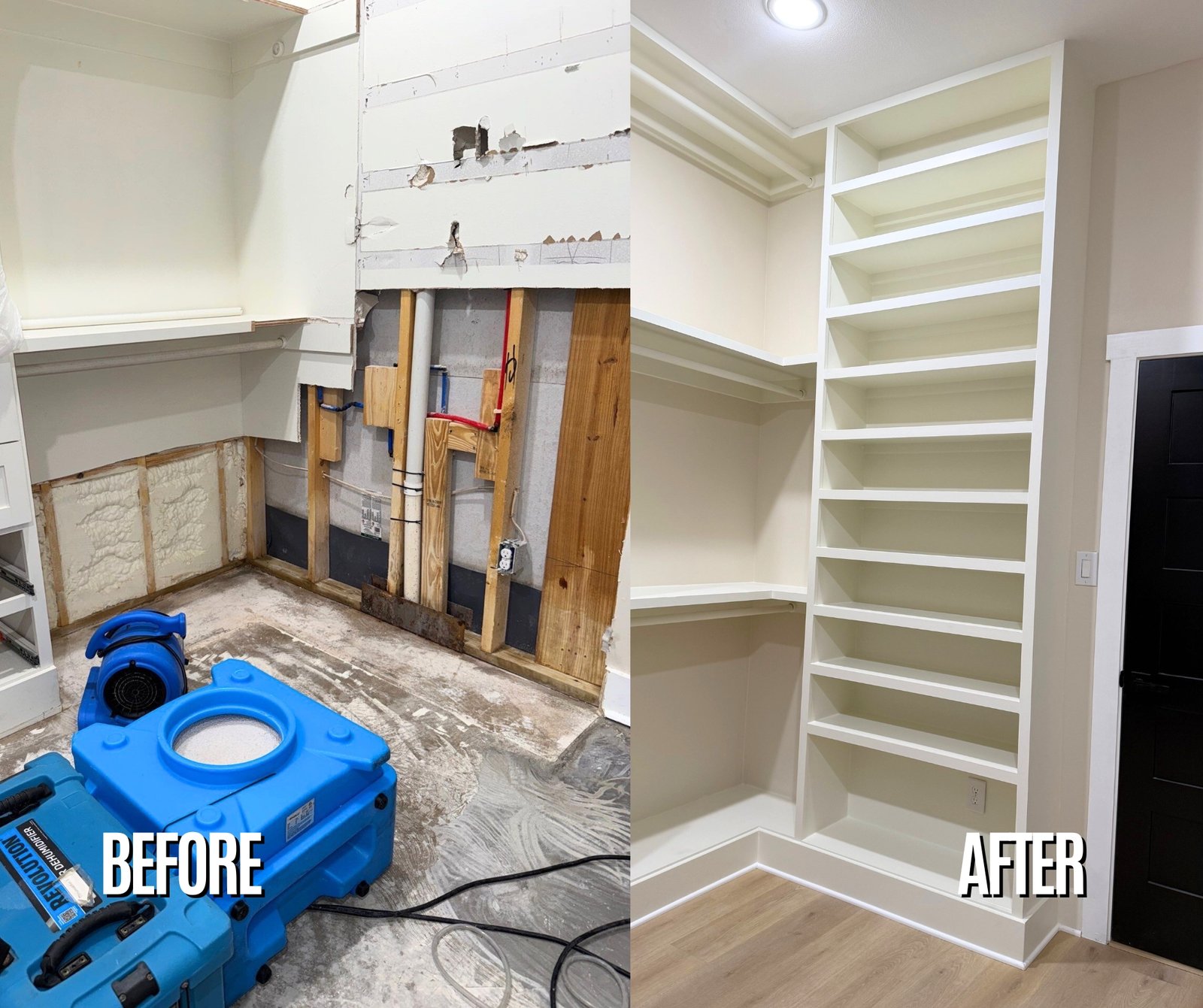
Mold remediation involves removing mold and preventing its return. Mold restoration includes repairing or rebuilding areas damaged by mold — such as drywall, flooring, insulation, or wood framing.
If mold has damaged structural materials (like drywall, subflooring, or studs), or if there's visible rot or water damage, restoration and reconstruction are likely needed in addition to mold removal.
Yes, Stachybotrys chartarum (black mold) produces toxic spores that can cause respiratory problems, fatigue, skin irritation, and neurological symptoms — especially in children and people with weakened immune systems.
Unresolved moisture issues — like leaks, poor ventilation, or high humidity — can cause mold to return. That’s why we always include moisture detection and prevention in our restoration process.
The timeline depends on the extent of the damage. Most mold remediation jobs take 1–3 days, while full reconstruction can take an additional few days to a couple of weeks.
It depends on your policy and the source of the mold. Sudden events (like pipe bursts or storm damage) are often covered. We’ll help you document the damage for your claim.
In many cases, yes. We isolate the work area to minimize disruption. If the damage is widespread, temporary relocation may be recommended for safety.
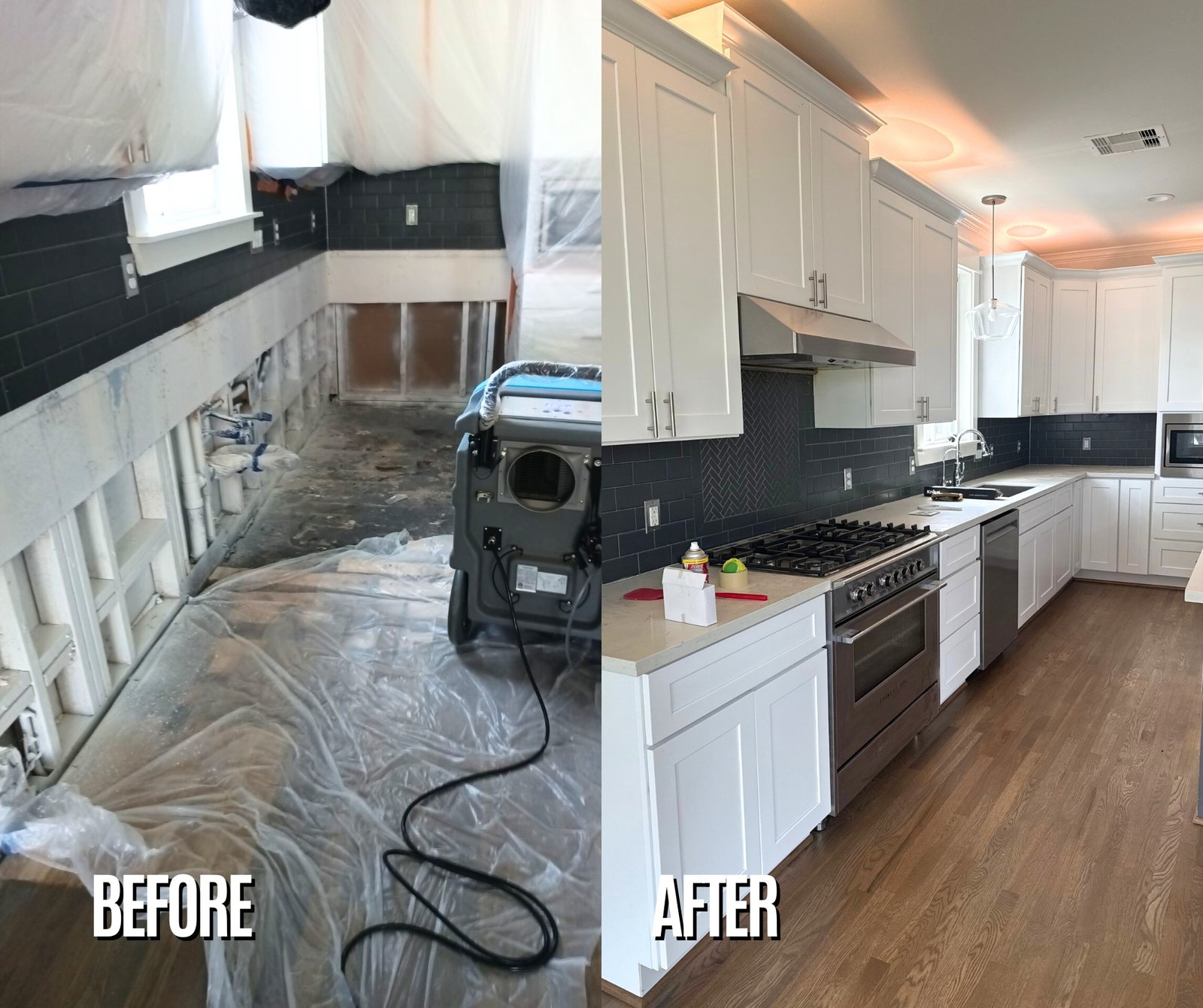
Yes — our restoration process includes reconstruction. We remove damaged materials and rebuild affected areas, restoring your home to safe, livable condition.
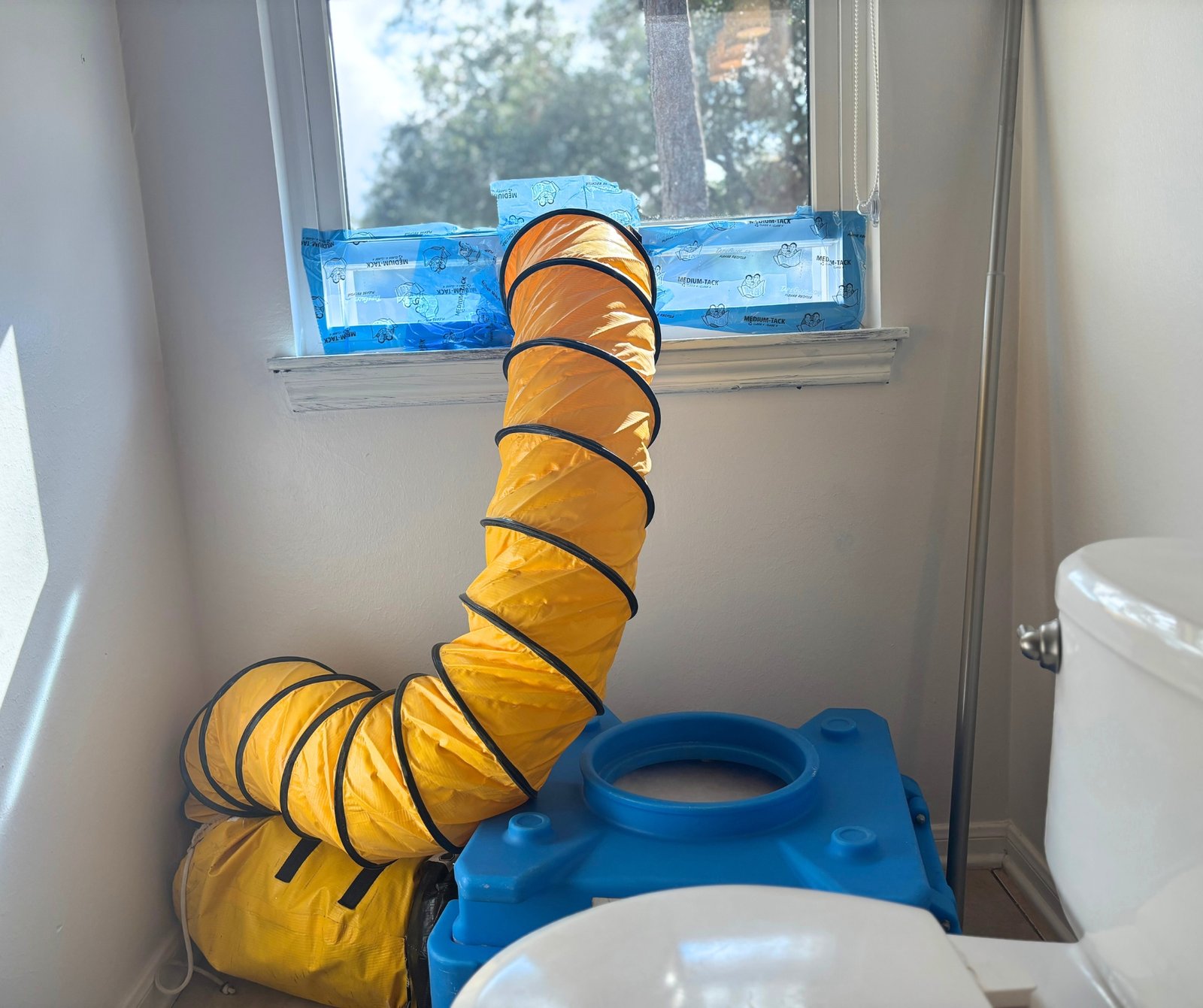
We’ll identify the moisture source and provide recommendations — like installing dehumidifiers, sealing cracks, upgrading insulation, or improving ventilation.