Understanding the Health Risks of Mold Exposure
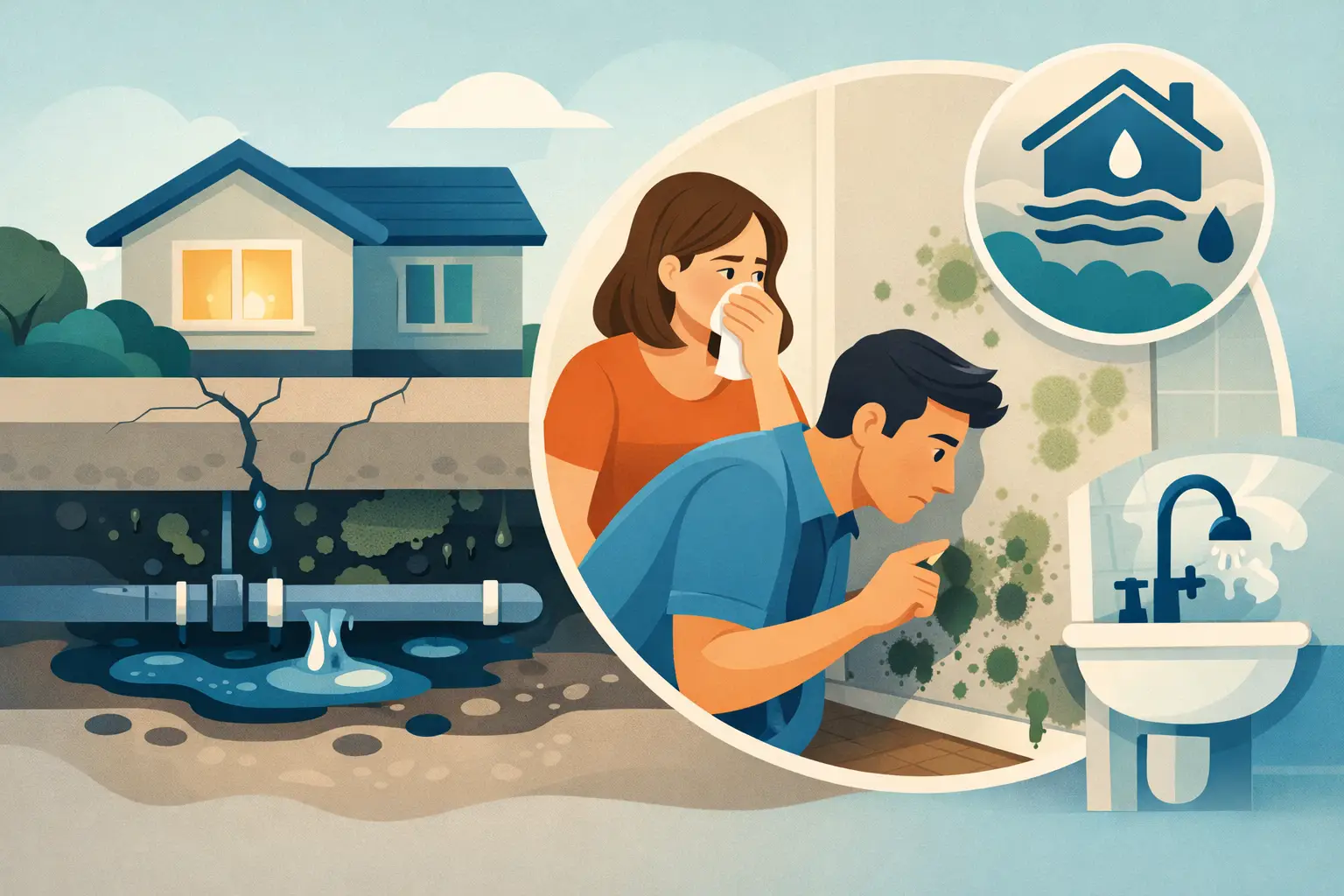
Mold exposure can lead to a variety of health issues, particularly for individuals with respiratory conditions, allergies, or weakened immune systems. Symptoms can range from mild irritations, such as sneezing and skin rashes, to severe respiratory problems and chronic illnesses.
Research indicates that prolonged exposure to mold can exacerbate asthma and lead to respiratory infections. It’s essential for homeowners to recognize the signs of mold-related health issues and take proactive measures to address mold growth in their homes promptly.
Effective Mold Prevention Strategies for Homeowners
Preventing mold growth in your home requires a proactive approach that focuses on moisture control and regular maintenance. Homeowners should ensure proper ventilation in areas prone to humidity, such as bathrooms and kitchens, and consider using dehumidifiers in damp spaces.
Additionally, regular inspections for leaks and water damage can help catch potential mold issues before they escalate. Simple practices like cleaning gutters, sealing windows, and maintaining consistent indoor humidity levels can significantly reduce the risk of mold growth.
The Importance of Professional Mold Inspections
Professional mold inspections are crucial for identifying hidden mold issues that may not be visible to the untrained eye. Certified mold inspectors use specialized equipment to assess air quality and detect mold spores, providing homeowners with a comprehensive understanding of their indoor environment.
These inspections can uncover mold growth in areas like behind walls or under flooring, which can be detrimental to both health and property. Investing in a professional inspection can save homeowners from costly repairs and health complications down the line.
DIY Mold Removal: When to Do It Yourself and When to Call a Pro
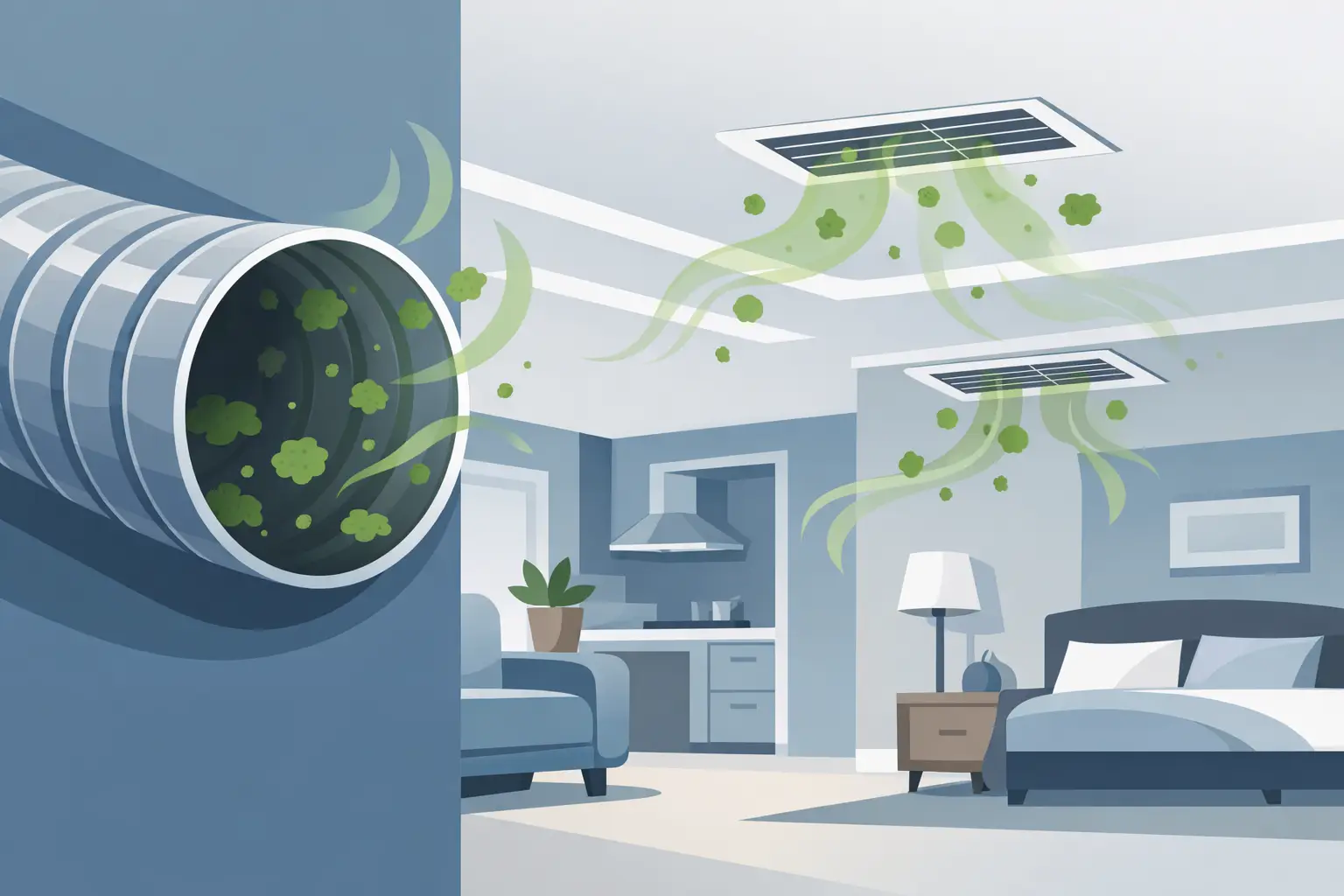
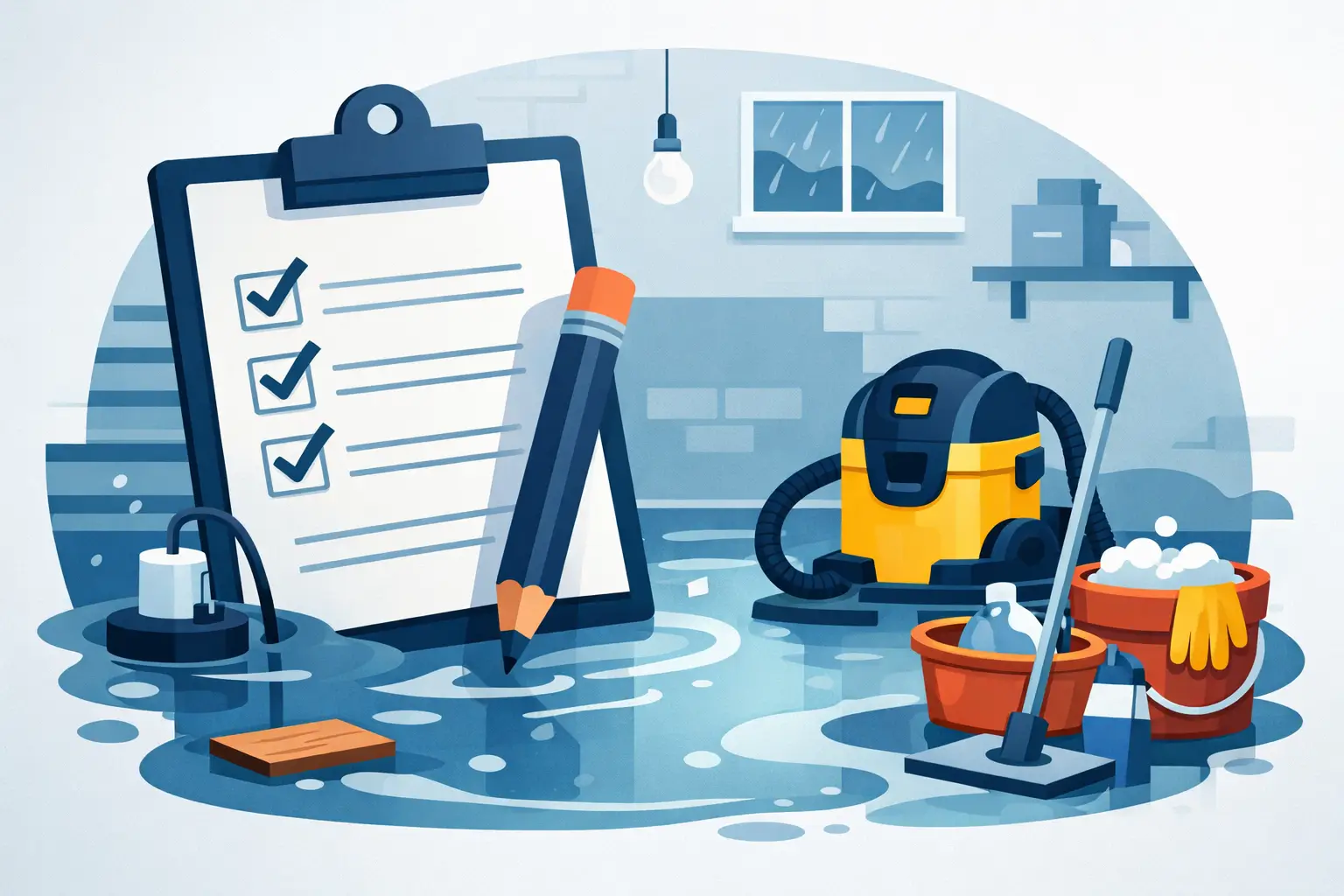
While some minor mold issues can be addressed with DIY methods, it's essential to know when professional assistance is necessary. Small patches of mold on non-porous surfaces can often be cleaned with household products, but larger infestations or mold in sensitive areas like HVAC systems should be handled by experts.
Homeowners should assess the extent of the mold growth and their comfort level with remediation before deciding. If the affected area is larger than 10 square feet, or if there are underlying health concerns, contacting a professional mold remediation service is highly recommended.